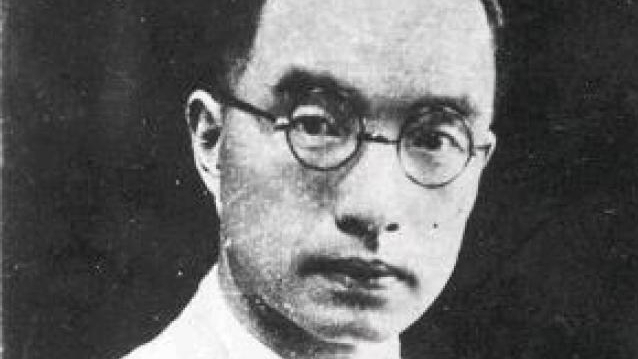
Zhu Ziqing
Introduction
Zhu Ziqing (1898-1948) was a prominent Chinese writer known for his prose and poetry, deeply admired for his vivid depictions of nature and his poignant explorations of human emotions. Born in Yangzhou, Jiangsu province, Zhu was a key figure in the New Culture Movement, contributing significantly to modern Chinese literature. His works often reflect his deep appreciation for the natural world and his philosophical musings on life.
Early Life and Education
Zhu Ziqing was born in Yangzhou, a city with a rich cultural heritage, which greatly influenced his literary pursuits. After completing his primary and secondary education in Yangzhou, Zhu attended Peking University, where he studied philosophy. This academic background provided a foundation for his literary works, which often incorporate philosophical themes and reflections.
Literary Contributions
Zhu Ziqing is best known for his prose essays, which showcase his mastery of language and his ability to capture the subtleties of everyday life. His famous essay The Sight of Father’s Back is a poignant reflection on nostalgia and change, capturing the emotional landscape of a man revisiting his childhood home. Another notable work, Moonlight over the Lotus Pond, exemplifies his exquisite descriptions of natural beauty, blending imagery with a deep sense of tranquility.
Zhu's poetry, though less widely recognized than his prose, is equally significant. His poems often explore themes of nature, solitude, and the passage of time, revealing a melancholic yet hopeful outlook on life. His literary style is characterized by its simplicity, elegance, and emotional depth, making his works timeless pieces in Chinese literature.
Influence and Legacy
As an influential figure in the New Culture Movement, Zhu Ziqing played a pivotal role in shaping modern Chinese literature. His works have inspired generations of writers and readers, not only in China but also internationally. Zhu's emphasis on the beauty of everyday life and his philosophical insights continue to resonate with audiences today.
Zhu Ziqing's legacy extends beyond his literary contributions. He was known for his integrity and dedication to education, serving as a professor of Chinese literature at several prestigious universities. His commitment to teaching and writing has left a lasting impact on the academic and literary communities in China.
Former Residence
The former residence of Zhu Ziqing is located in Yangzhou, Jiangsu province, and serves as a museum dedicated to his life and work. The residence, built during the Qing Dynasty (1644-1911), is a traditional Sanheyuan, or courtyard house, which reflects the architectural style of the period. Visitors can explore the rooms where Zhu lived and worked, gaining insight into his personal and professional life.
The residence includes a reception room, lower and upper main halls, and an exhibition hall. The reception room displays Zhu's personal belongings, including a bamboo brush pot and his wedding photo with Chen Zhuyin. The exhibition hall showcases Zhu's literary achievements and transformation from a philosophy student to a renowned writer. This site is not only a cultural attraction but also a place of inspiration for those who admire Zhu Ziqing's literary legacy.
Cultural Impact
Zhu Ziqing's impact extends beyond literature; his works have been adapted into various forms of art and media. His prose Summer in Yangzhou has been used to promote cultural and tourism activities in Yangzhou, highlighting the city's historical and cultural significance. Additionally, his pieces have been featured in educational programs and literary festivals, ensuring that his contributions to Chinese culture continue to be celebrated and appreciated.
In summary, Zhu Ziqing's life and work remain a testament to the power of literature to capture the human experience. His eloquent prose and poetry continue to inspire and engage readers, making him a quintessential figure in the canon of modern Chinese literature.








